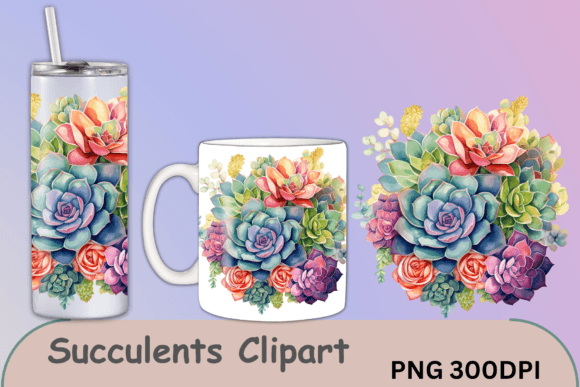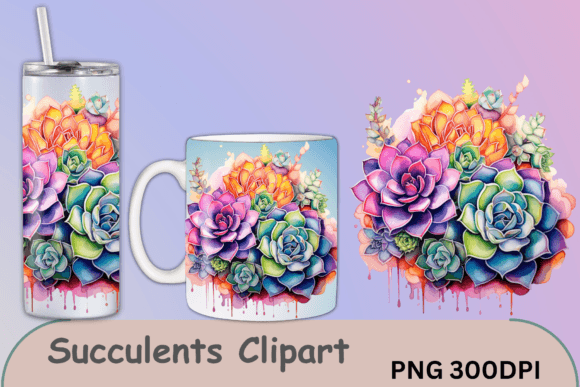
Succulent Clipart Sublimation for Crafts and Content
In the world of digital publishing, visual communication is not merely decorative; it is functional. As a blog designer and digital publisher who has spent years refining editorial layouts and optimizing content for readability and engagement, I approach every new graphic design asset with a critical eye. The difference between a cluttered, amateur-looking site and a polished, trustworthy publication often comes down to the quality of its imagery. Today, I am reviewing Succulent Clipart Sublimation, a creative design element that promises to bring a touch of organic elegance to digital spaces. This review focuses on how this asset fits into real-world publishing workflows, from affiliate marketing pages to downloadable lead magnets.
First Impressions: Editorial Mood and Niche Alignment
When you first load a collection of succulent-themed clipart, the immediate question is always about tone. Does it feel playful? Professional? Seasonal? Succulent Clipart Sublimation strikes a balance that is particularly appealing for lifestyle-focused blogs, wellness publishers, and small business owners in the crafting niche. The aesthetic leans toward modern design principles—clean lines, soft textures, and a natural color palette that suggests growth, resilience, and calm.
For a digital publisher, this mood is valuable. It creates an editorial atmosphere that feels inviting without being overly childish or rigidly corporate. It naturally supports content niches such as home decor, plant care guides, mindfulness journals, and eco-friendly living. When a reader lands on your page, this type of visual identity helps establish immediate brand recognition. If your website’s goal is to convey trust and expertise in a creative field, having consistent, high-quality design assets like these ensures that your content looks as professional as it reads.
Integrating Visuals into Real Publishing Workflows
The true test of any creative design element is its versatility across different media formats. In my daily workflow, I constantly switch between writing articles, designing Pinterest pins, and formatting email newsletters. Here is how Succulent Clipart Sublimation can be applied to enhance these specific channels:
- Blog Featured Images and Headers: Using this clipart as a background overlay or a side accent in article headers can break up large blocks of text and guide the reader’s eye. It adds a layer of sophistication to standard blog layouts, making them feel more like curated magazine spreads than simple web pages.
- Pinterest Graphics and Social Media Posts: Pinterest is a visual search engine, and click-through rates depend heavily on aesthetic appeal. Succulents are inherently popular topics, so using high-quality clipart that matches current trends can improve visibility. These graphics work well for "How-To" pins, quote cards, and seasonal promotional posts.
- Digital Guides and Lead Magnets: If you are creating a freebie, such as a printable gardening journal or a digital guide on indoor plant care, this asset can serve as the cover image or interior divider. A cohesive look increases the perceived value of your digital product, encouraging more downloads and email sign-ups.
- Newsletter Banners: Email open rates are competitive. A newsletter header featuring subtle succulent illustrations can make your emails stand out in a crowded inbox. It signals freshness and care, aligning with the personal connection readers expect from their favorite bloggers.
- Category Thumbnails: On category pages, visual consistency helps users navigate quickly. Using variations of this clipart for different sub-niches (e.g., cacti vs. leafy succulents) creates a strong visual hierarchy and improves user experience.
Impact on Content Performance and Reader Trust
Why does this matter for your bottom line? Because design influences behavior. When your website presentation is polished, readers are more likely to stay longer, scroll deeper, and click on affiliate links. Poor-quality images can signal low effort, which subtly undermines your authority. Conversely, using premium-style editorial design elements reinforces your brand identity.
Succulent Clipart Sublimation contributes to a stronger visual identity by providing a recognizable motif. Over time, as you use similar styles across your platform, visitors will begin to associate those soft, organic shapes with your specific voice. This consistency builds reader trust. Furthermore, clear visual hierarchy—achieved by placing these graphics strategically next to headlines or call-to-action buttons—can improve click-through potential. It draws attention to what matters most without distracting from the core message.
Strategic Placement for Maximum Effect
To get the most out of this asset, consider where it performs best. It shines in hero images where it can set the scene for a story. It works beautifully as an editorial accent, perhaps framing a pull quote or highlighting a key statistic in an infographic. For content upgrades, such as downloadable worksheets, it adds a tactile, print-ready feel that encourages users to download the resource.
However, there are places where caution is advised. Small mobile thumbnails may lose detail if the clipart is too intricate. In these cases, simpler silhouettes or larger focal points within the design are preferable. Additionally, avoid using this asset in text-heavy blog images where it might compete with the copy for attention. If your layout is already busy, adding more decorative elements can create visual noise rather than clarity.
Practical Publisher Notes for Implementation
Before integrating Succulent Clipart Sublimation into your live site, there are several technical and strategic checks you should perform. As a publisher, I never skip these steps:
- Cross-Device Testing: Always preview your designs on both desktop and mobile screens. Ensure the clipart scales correctly and does not pixelate on high-resolution displays.
- Contrast and Readability: Test the graphic against various background colors. Ensure that any text overlaid on the image remains legible. Darken backgrounds or add overlays if necessary to maintain accessibility standards.
- Font Pairing: Experiment with typography. See how the succulent theme pairs with serif fonts for a classic look, sans-serif fonts for a modern feel, or script fonts for a feminine touch. The right font choice can elevate the entire composition.
- File Size Optimization: Web performance is crucial for SEO. Compress your images properly to reduce load times without sacrificing quality. Large files can slow down your site, hurting your rankings and user experience.
- Licensing Verification: Confirm the commercial license before using these assets on monetized websites, affiliate pages, or paid content products. Ensure you have the right to use the commercial design for your specific business model.
Conclusion for the Modern Creator
In the competitive landscape of content marketing, every pixel counts. Succulent Clipart Sublimation offers a versatile, aesthetically pleasing solution for bloggers and designers looking to enhance their brand identity. Whether you are building a Canva template for clients, designing a digital download for your audience, or simply sprucing up your website header, this asset provides the polish needed to stand out. By treating your visuals with the same care as your written content, you create a more immersive, trustworthy, and engaging experience for your readers. For those in the crafts and lifestyle sectors, it is a valuable addition to your library of design assets.