Lily Flower Clipart for Crafts and Branding
When I sit down to review a new design asset for a client project, my first question is always about versatility. Does this element hold up in a high-stakes logo? Does it feel at home on a delicate wedding invitation? And perhaps most importantly, does it translate well across different mediums, from digital screens to physical packaging? Recently, I evaluated the Lily Flower Clipart collection with these exact criteria in mind. As a designer who frequently bridges the gap between handmade business aesthetics and professional small business branding, I found this asset to be a compelling addition to any design bundle.
First Impressions: Mood and Visual Style
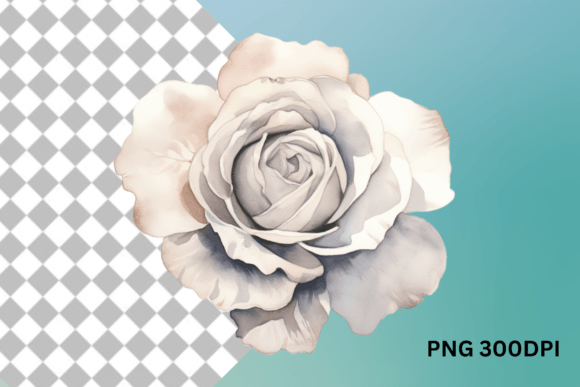
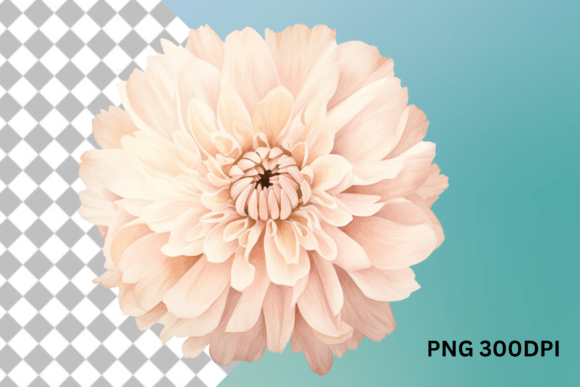
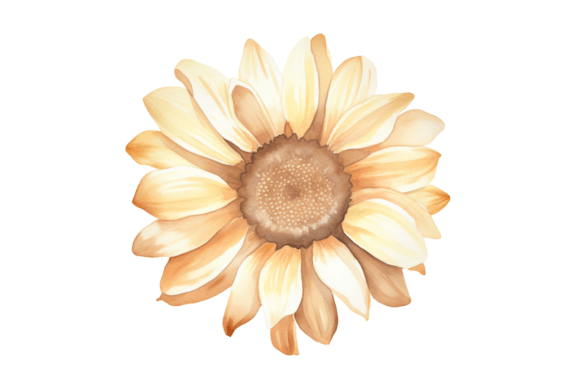
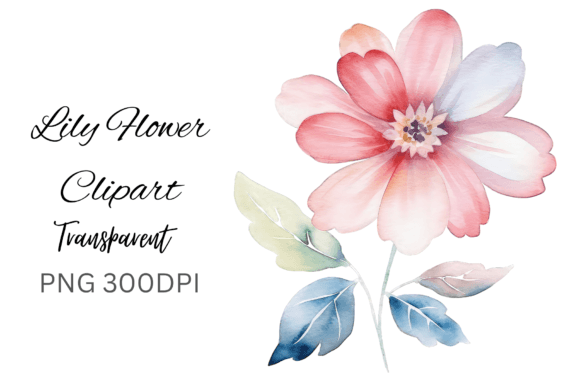
The immediate visual impact of this graphic design asset is one of refined elegance without being overly ornate. The lilies are rendered with a balance of organic flow and structural clarity that suggests a modern illustration style rather than a rigid, vintage engraving. This makes it highly adaptable. It doesn’t scream "vintage" or "gothic," which often limits an asset's usability. Instead, it offers a clean, contemporary feel that aligns perfectly with current trends in editorial design and web design.
For clients looking to establish a brand identity rooted in nature, wellness, or luxury, this clipart provides an instant emotional anchor. The lines are confident, and the negative space is handled well, allowing the eye to rest on the flower’s form without feeling cluttered. It feels expensive, yet accessible—a crucial distinction when designing for Etsy product lines or mid-range print-on-demand merchandise.
Real-World Application in Client Projects
I recently consulted on a project for a boutique skincare brand launching a new seasonal line. They needed visuals that felt fresh, clean, and distinctly botanical but not cliché. We tested several assets before settling on variations of this lily design. Here is how it performed in real-world scenarios:
- Packaging Design: When applied to minimalist white boxes with black typography, the lily acted as a sophisticated focal point. It elevated the unboxing experience, turning a simple container into a premium product mockup.
- Social Media Graphics: For Instagram posts and Pinterest pins, the asset scaled beautifully. Whether used as a standalone hero graphic or as a subtle background texture, it maintained its integrity. It worked particularly well in Canva template layouts where users needed quick, high-quality elements to enhance their feed.
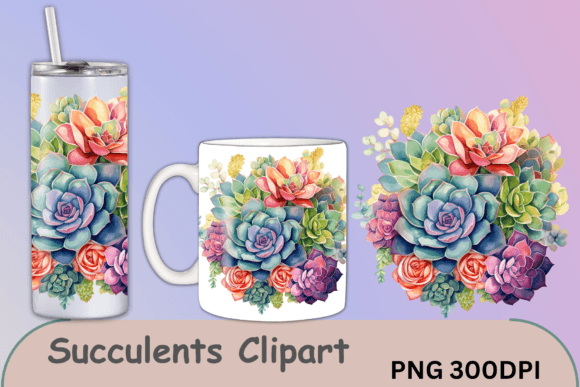
- Merchandise and Apparel: In testing for t-shirt designs and tote bags, the vector quality shone. The curves remained smooth even when resized, ensuring that the final print looked crisp rather than pixelated. This is vital for sublimation design where color fidelity and edge sharpness are paramount.
This versatility confirms that the asset is not just a decorative filler but a functional component of a broader creative design strategy. It supports the narrative of the brand, whether that brand is selling handmade candles, artisanal soaps, or floral arrangements.
Strategic Placement and Hierarchy
Understanding where to place an asset is just as important as the asset itself. The Lily Flower Clipart excels in large layout areas where it can breathe. It serves as an excellent hero graphic for landing pages or as a central element on event posters and flyers. Its detailed structure rewards close inspection, making it perfect for printed materials like brochures or editorial spreads where the reader has time to linger.
It also functions effectively as a decorative accent. Think of corner flourishes on invitations, borders on certificates, or subtle patterns on gift tags. In these roles, it adds polish without overwhelming the primary message. However, designers must be mindful of visual hierarchy. If the goal is to direct attention strictly to a call-to-action button or a price point, placing this detailed illustration nearby might create visual competition. It demands attention, so use it strategically to frame content, not to distract from it.
Areas Requiring Caution
No single asset is a silver bullet. There are specific contexts where this lily clipart requires careful handling:
- Small Sizes: While scalable, fine details may become muddy if reduced too far below 1 inch in height. Always preview at final size before committing to a layout.
- Crowded Layouts: Avoid placing this asset over busy photographic backgrounds or complex patterns. The contrast will be lost, and the design will feel chaotic. It needs room to stand out.
- Minimalist Corporate Branding: For strict corporate identities that rely on geometric shapes and sans-serif fonts, this organic illustration might clash. It fits better with brands that value warmth, creativity, and natural elements.
- Low-Contrast Designs: Ensure there is sufficient contrast between the clipart and its background. On light gray backgrounds, certain shades of the lily may fade, reducing readability and impact.
Practical Designer Notes for Implementation
Before integrating this asset into a commercial project, I recommend running through this checklist to ensure professionalism and technical soundness:
- Black and White Test: Convert the asset to grayscale. Does it still hold its shape and visual interest? If the design relies solely on color to define its form, it may lack the structural strength needed for versatile applications.
- Font Pairing: Experiment with typefaces. A script font can complement the organic curves of the lily for a romantic look, while a clean sans serif font creates a modern, balanced contrast. Avoid pairing it with overly decorative display fonts unless you are aiming for a very specific retro aesthetic.
- File Format Inspection: Verify if the package includes both PNG design files with transparent backgrounds for immediate web use and SVG design files for scalability and editing. Check the SVG code for unnecessary nodes that might bloat file sizes.
- Print Quality Check: If using for physical goods, test print a sample. Colors can shift between RGB (screen) and CMYK (print). Ensure the lily’s tones remain vibrant and true to the brand palette after conversion.
- Licensing Confirmation: Always review the commercial license terms. Some assets allow unlimited commercial use, while others restrict the number of physical copies or require attribution. Clarity here protects your client and your reputation.
Final Verdict
The Lily Flower Clipart is more than just a pretty picture; it is a robust digital product capable of elevating a wide range of projects. From sticker design to full-scale marketing visuals, it brings a sense of curated beauty that resonates with audiences. For designers seeking to add a touch of elegance to their creative marketplace offerings or client work, this asset delivers on both aesthetic appeal and technical reliability. It is a smart investment for anyone serious about producing polished, professional design work.