Orchid Flower Clipart: Elevating Crafts and Brand Identity
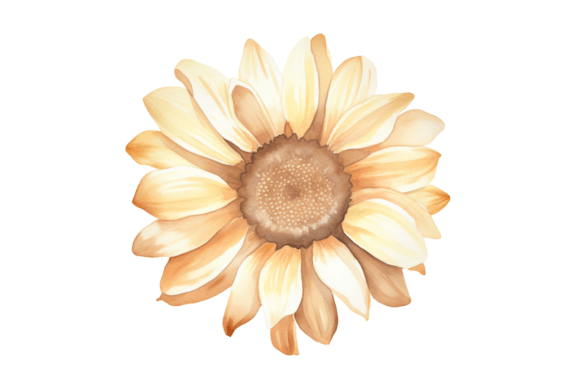
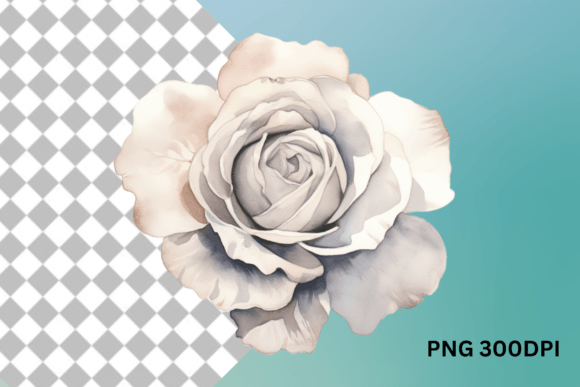
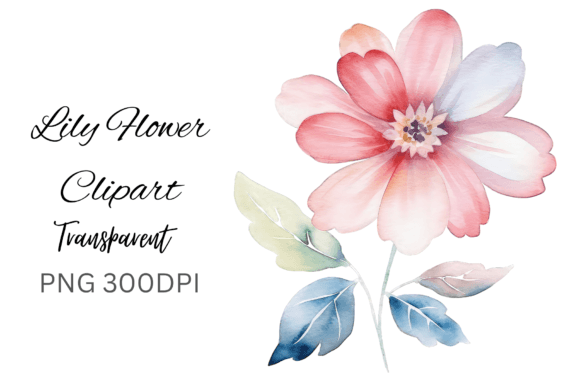
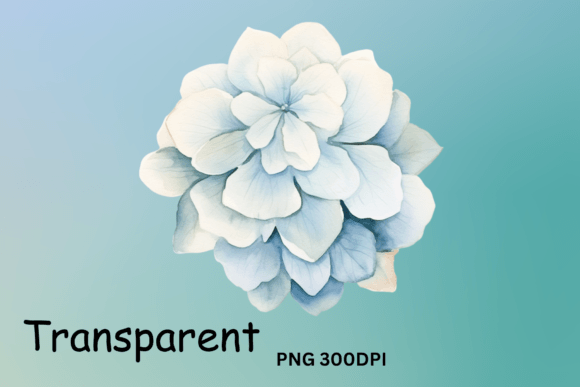
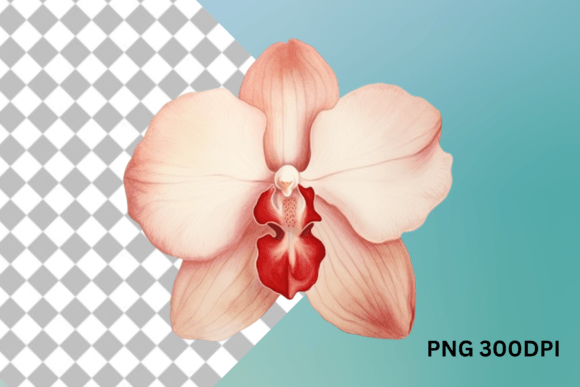
When I first opened the folder containing the Orchid Flower Clipart, my immediate reaction was one of refined elegance. As a brand designer who spends hours evaluating visual assets for local businesses, I look for more than just aesthetic appeal; I look for versatility, scalability, and emotional resonance. This particular illustration strikes a delicate balance between organic softness and structured beauty. It does not scream for attention but rather invites the viewer in with a sense of calm sophistication. For small business owners, boutique founders, and creative entrepreneurs, this is the kind of graphic design asset that can instantly elevate a humble product into something perceived as premium.
The Mood and Brand Personality
The mood created by this orchid illustration is distinctly feminine, yet modern. It avoids the overly ornate or vintage clutter that often plagues decorative clipart, opting instead for clean lines and a graceful silhouette. This suggests a brand personality that is trustworthy, thoughtful, and high-quality. It fits perfectly with businesses that want to project an image of care and craftsmanship. Whether you are running a handmade skincare line, a boutique florist, or an artisanal bakery, this asset supports a narrative of natural luxury without being pretentious. It feels organic, which is crucial for today’s consumer who values authenticity in their purchases.
Real-World Application in Packaging Design
In my recent project for a local candle brand, we struggled to find a central visual element that wasn’t too generic. The solution was integrating a similar botanical motif onto our packaging. Here is how the Orchid Flower Clipart can transform real-world applications:
- Product Labels and Stickers: On a small jar of hand-poured soap or a bottle of essential oil, this clipart serves as a focal point. When placed on a hang tag or a circular sticker seal, it adds a touch of professionalism that separates your product from mass-market alternatives.
- Packaging Accents: Use the illustration as a subtle border element on boxes or wrapping paper. It creates a cohesive brand identity that customers recognize even from a distance. This is particularly effective for seasonal campaigns, such as holiday gift sets or summer wellness bundles.
- Thank-You Cards and Inserts: Including a printed thank-you card with your order enhances the unboxing experience. The orchid illustration here reinforces the brand’s attention to detail and gratitude toward the customer, fostering stronger emotional connections.
Supporting Business Presentation and Trust
Visual consistency is the backbone of successful small business branding. Using a high-quality design asset like this orchid illustration helps establish a clearer visual hierarchy across all your marketing materials. When your social media graphics, website banners, and physical packaging share the same visual language, you build better product recognition. Customers subconsciously associate this polished look with reliability. A more professional presentation leads to improved customer trust, which is essential for converting browsers into buyers.
Furthermore, this asset aids in creating better shelf appeal. In a crowded retail environment or an online marketplace, the eye is drawn to clean, elegant imagery. The orchid’s structure allows it to stand out without competing aggressively with text, ensuring that your product name and key selling points remain legible. This balance is critical for maintaining a strong visual hierarchy.
Strategic Placement and Versatility
This illustration shines brightest when used as a hero graphic or a decorative brand element. It works exceptionally well in editorial design contexts, such as blog headers for lifestyle blogs or magazine-style layouts for product catalogs. For digital products, it can be incorporated into Canva templates for social media managers who need quick, consistent content creation. However, its utility extends beyond digital realms. It is ideal for printable designs, including flyers, posters, and menu graphics for cafes that wish to emphasize a floral or natural theme.
For product mockups, placing this orchid on a tote bag, a ceramic mug, or a fabric banner can help visualize how the final branded merchandise will look. This is invaluable for creative entrepreneurs planning to sell physical goods or promotional items.
Where to Exercise Caution
While versatile, no single asset is a universal fit. There are specific scenarios where the Orchid Flower Clipart should be used carefully. Avoid using it for formal corporate branding where a more geometric or abstract logo is required. Similarly, be cautious when applying it to very small labels where fine details might get lost during printing. If your packaging is already crowded with ingredient lists, nutritional information, and legal disclaimers, adding another decorative element can create visual noise. In these cases, the decoration might compete with important text, confusing the consumer.
Additionally, if your brand leans heavily into luxury minimalism, ensure the orchid does not feel too busy. Test it against ample white space. Also, avoid placing it on low-contrast backgrounds, as this will diminish its impact and make it difficult to see.
Practical Designer Notes for Implementation
To ensure you get the most out of this commercial design asset, I recommend following these practical steps before integrating it into your final projects:
- Test on Real Mockups: Do not judge the asset solely on a white background. Place it on actual packaging materials, such as kraft paper, glossy cardstock, or transparent vinyl, to see how it interacts with different textures.
- Check Black and White Usage: Convert the illustration to grayscale to ensure it holds up in monochrome print jobs, which are common for cost-effective local business promotions.
- Preview on Small Sizes: Zoom out to 10% size to simulate how it looks on a tiny product label. If the petals become muddy, consider simplifying the design or using it only as a secondary accent.
- Color Compatibility: Test the illustration alongside your primary brand colors. Ensure it complements rather than clashes with your palette.
- Font Pairing: Experiment with different typography styles. The orchid pairs beautifully with serif fonts for a classic look, sans serif fonts for a modern feel, and script fonts for a handwritten, personal touch. Compare these combinations to find the best harmony.
- File Format Inspection: If available, inspect the SVG or vector editability. Vector files allow you to scale the orchid infinitely without losing quality, which is crucial for large-format prints like posters or banners. Check the PNG transparency to ensure clean edges when layering over images.
- Commercial Licensing: Always confirm the commercial license terms. Ensure you are permitted to use the asset for client work, physical product sales, and unlimited digital distributions. This protects your business from legal issues down the line.
By treating the Orchid Flower Clipart as a strategic component of your professional branding toolkit, you can significantly enhance the perceived value of your offerings. It is not just a picture; it is a communication tool that speaks to your audience’s desire for beauty and quality. Whether you are designing for a handmade business, a food label, or a digital product store, this asset provides the polish needed to stand out in a competitive market.