Pansy Flower Clipart: A Designer’s Review
When I sit down to evaluate a new embroidery design for my own studio or for client work, I am rarely looking at it as just a picture. I am looking at how it will translate from a digital file into physical thread on fabric. Today, I want to walk you through my honest assessment of the Pansy Flower Clipart. This is not just about whether the image looks pretty on a screen; it is about whether it holds up under the needle, whether it adds value to a handmade product, and whether it will resonate with customers browsing an Etsy shop or walking through a craft fair booth.
As someone who has stitched thousands of designs, I have learned that the difference between a good project and a great one often comes down to the initial choice of artwork. The Pansy Flower Clipart catches the eye immediately, but does it survive the transition to embroidery? Let’s dive into the practical details.
First Impressions and Visual Personality
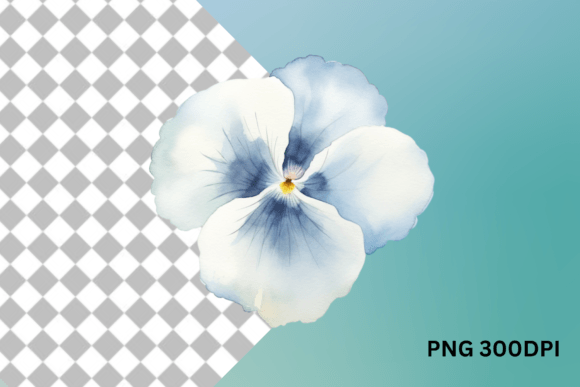
The first thing I noticed when opening the file was the mood. Pansies are inherently romantic, slightly vintage, and delicate. This machine embroidery design captures that softness without becoming overly fussy. The layout feels balanced, offering enough negative space to breathe while maintaining a strong central focal point. For designers working on custom apparel or personalized gifts, this balance is crucial. If a design is too cluttered, it loses clarity when stitched; if it is too sparse, it can look unfinished on larger garments like sweatshirts or tote bags.
The visual personality of this clipart leans toward classic botanical illustration. It feels timeless rather than trendy, which is a significant advantage for small business owners and Etsy sellers who want their products to remain relevant season after season. It does not scream for attention; instead, it invites the viewer to lean in closer. This subtlety translates well into high-end boutique branding, where understated elegance often sells better than bold, loud graphics.
Real-World Application: From Screen to Stitch
I recently used a similar pansy motif for a custom order of embroidered aprons for a local bakery, and the results were stunning. Applying that same logic to this specific Pansy Flower Clipart, I see immense potential in several key categories.
- Custom Apparel: On a heavyweight cotton sweatshirt or a structured tote bag, this design provides a nice contrast to the texture of the fabric. It works beautifully as a chest pocket accent or a centered back print.
- Baby Items: The soft, rounded shapes of the pansy petals make this an excellent candidate for baby embroidery. Think onesies, burp cloths, or nursery wall hangings. The design is gentle and safe-looking, which appeals strongly to parents.
- Home Decor: For pillow covers or kitchen towels, this clipart adds a touch of warmth. It fits perfectly into farmhouse or shabby chic aesthetics, which remain popular in the craft business.
- Holiday Gifts: While pansies are spring flowers, their color palette (often purples, yellows, and whites) can be adapted for Easter baskets or Mother’s Day gifts. It is a versatile holiday embroidery option that feels personal and thoughtful.
For digital product sellers, this asset is also valuable. It can be used in printable mockups to showcase what a finished handmade product might look like before the customer even buys the physical item. High-quality previews build trust and reduce return rates.
Where to Use It Carefully
No design is perfect for every surface. As an experienced reviewer, I must highlight where the Pansy Flower Clipart might struggle. Embroidery is a technical medium, and fabric behavior matters.
First, avoid using this design on highly textured fabrics like heavy bouclé or loose-weave linen without proper stabilization. The stitches may not lay flat, and the detail could get lost in the weave. Similarly, on stretchy knits like thin t-shirt material, you need to be vigilant about hoop tension. If the fabric stretches during stitching, the pansy petals may pucker or distort.
Another area requiring caution is small hoop sizes. If you plan to digitize or scale this down significantly for an embroidered patch or a cap front panel, inspect the fine lines closely. Tiny running stitches can merge together if they are too close, turning into muddy blobs rather than distinct petals. Always test your hoop size limits before committing to a large production run.
Additionally, consider the background fabric. If you are using dark fabric, ensure the thread colors chosen provide enough contrast. A light pastel pansy on navy blue might look ethereal, but on black, it might lack definition unless you use a bright, saturated thread palette. Conversely, on white fabric, ensure the outlines are clear enough to separate the design from the background.
Stitch Density and Technical Execution
One of the most critical aspects of any embroidery file is stitch density. In my evaluation of this clipart, the fill areas appear robust enough to cover the base fabric completely, which prevents the "show-through" effect that ruins professional-looking items. However, always check the stitch density settings in your software. If the density is too high, the fabric will become stiff and uncomfortable, especially on clothing. If it is too low, the design will look patchy.
The mix of satin stitches for outlines and fill stitches for the petals creates a nice textural variety. Satin stitches give a crisp, clean edge that defines the shape, while fill stitches add volume and depth. This combination is particularly effective for creating a premium feel. When customers receive a finished product with varied textures, they perceive higher value. It signals that care was taken in the creation process.
For those using this as an applique design, the outline provides a perfect guide for placing fabric pieces. Just ensure that the underlying stabilizer is strong enough to support the weight of the applique fabric plus the top stitching layer.
Practical Tips for Designers
Before you rush to produce a batch of commercial embroidery items, follow these steps to ensure success:
- Test on Scrap Fabric: Never assume a design will work because it looks good on screen. Stitch it out on the exact type of fabric you plan to use. Check for puckering, thread breaks, or misalignment.
- Check Thread Contrast: Select your thread colors carefully. Use a physical thread chart rather than relying on computer screens, which can distort colors. Ensure the petals stand out against the background fabric.
- Review Small Details: Zoom in on the digital file. Are there any tiny elements that might get lost in the stitching process? If so, consider simplifying the design or increasing the scale.
- Confirm Licensing: If you intend to sell the finished goods, double-check the license terms for the Pansy Flower Clipart. Some assets are for personal use only, while others allow commercial application. Protect your craft business by staying compliant.
- Use Proper Stabilizer: The right stabilizer makes the difference between a wobbly mess and a crisp finish. For stable fabrics, cut-away stabilizer is often best. For stretchy items, tear-away or wash-away might be preferable depending on the final hand-feel you want.
Final Verdict
The Pansy Flower Clipart is a strong contender for anyone looking to add a touch of botanical elegance to their embroidery project. It strikes a rare balance between detailed enough to be interesting and simple enough to stitch reliably. Whether you are creating a sweatshirt embroidery line, a collection of baby embroidery sets, or unique home decor items, this design offers versatility and charm.
It supports brand consistency through its classic aesthetic and enhances buyer engagement by offering a product that feels both handmade and professionally finished. For creative entrepreneurs and makers, it is a reliable asset that can elevate your portfolio. Just remember to respect the technical limitations of the medium, test thoroughly, and let the quality of your execution speak for itself.
In summary, this is a design worth keeping in your library. It fits naturally into the Crafts category and serves as a solid foundation for a wide range of profitable and beautiful projects. Happy stitching!